Senior Dog Care After Age 7: 10 Changes Worth Making (Food, Exercise, Vet Cadence, Home Setup)
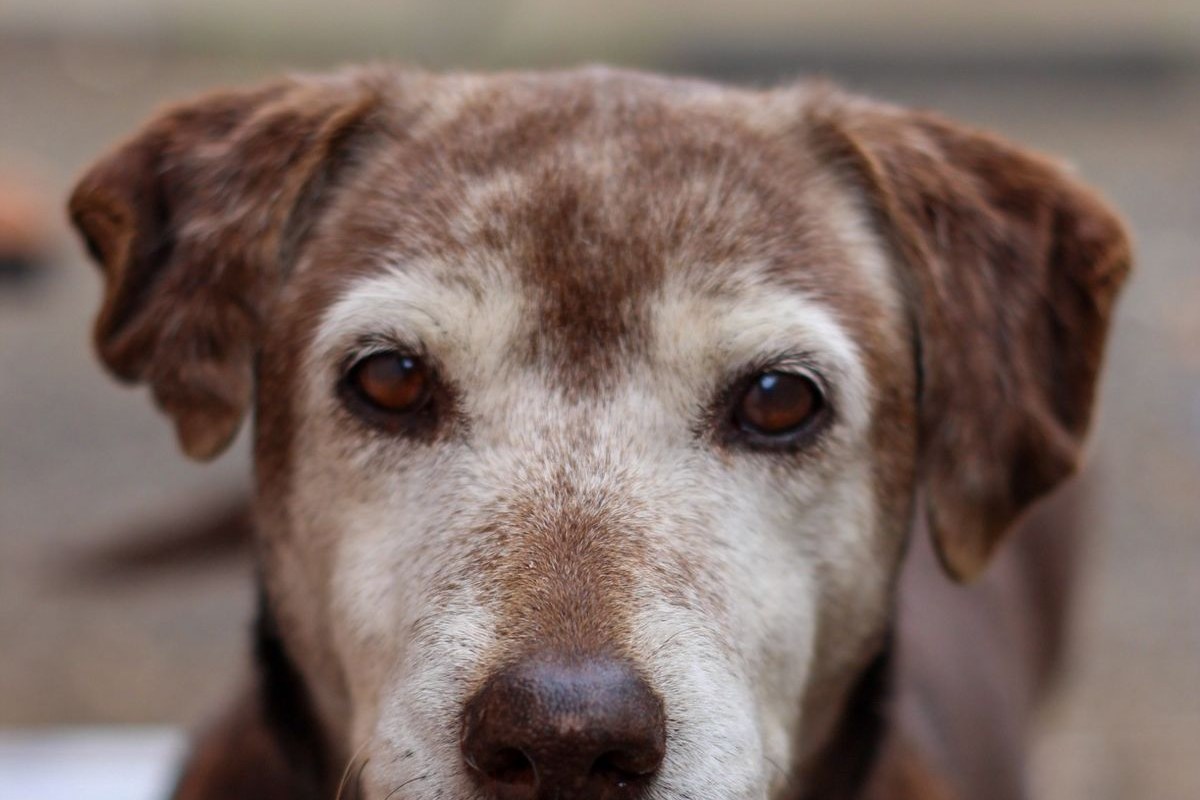
Age 7 is a useful wake-up call, not a cliff edge. The American Animal Hospital Association (AAHA) defines the senior stage as the last 25% of a dog's estimated lifespan, which is why a large dog can be senior at 7 while a small dog may not reach that stage for years. The American Kennel Club (AKC) puts it in everyday terms: on average, a dog is usually considered a senior between the ages of 7 and 9, depending on size. The AAHA's 2023 Senior Care Guidelines also carry the line every owner should hear first: “old age is not a disease.” What changes after 7 is the cadence of checking, feeding, moving and setting up the home. These are the 10 changes worth making.
The short answer: move to vet exams at least twice a year, re-check calories while protecting protein and muscle, swap long hard exercise for shorter, more frequent, low-impact walks plus mental enrichment, and make the home easier to move through with traction, ramps and a supportive bed. Start with the vet visit — the AAHA 2023 Senior Care Guidelines frame senior care as a once- or twice-yearly medical workup built around your individual dog.
Food: three changes
1. Re-check calories and weigh your dog regularly
Most dogs become less active as they age, so their energy requirement falls — and a dog fed the same amount as in their prime is at higher risk of gaining weight. That is the Cornell Riney Canine Health Center's guidance on choosing food for a senior dog: monitor body condition, weigh your dog regularly so slow gain is caught, and reduce portions or discuss a lower-calorie food if weight is creeping up while activity has dropped. Tell your veterinarian about unexplained weight loss too, rather than simply feeding more. For the portion math itself, use the method in our guide to how much you should feed your dog, then re-check against your dog's ribs, waist and the scale.
2. Protect protein and muscle — don't automatically switch to a “senior” food
A bag labelled “senior” is not automatically the right next step. Cornell's nutrition team is direct: “there is no true reason to feed a senior diet to our aging dog unless there are noted problems”, and those problems — muscle wasting, arthritis or obesity — each call for a different approach. Protein deserves attention, because dogs build and maintain muscle with it and, as Cornell notes, aging dogs often synthesise less protein on their own, while loss of lean body mass is associated with increased risk of illness. The practical change is a conversation, not a purchase: at the next exam, ask your veterinarian to assess body and muscle condition — the AAHA guidelines discuss using both scores to monitor ageing — and whether your dog's current food still fits.
3. Treat supplements and fatty acids as a vet conversation, not a shopping list
Cornell notes that long-chain omega-3 fatty acids (EPA and DHA) may be beneficial for dogs with arthritis or related mobility challenges, and that glucosamine and chondroitin are among the options used to support joints — but it also warns that animal supplements are not always well regulated and advises buying through your veterinarian or another reputable source. The AAHA senior handout makes the same point: tell your veterinary team about any supplements you are using or considering. Do not start, stop or dose a supplement from this article — that decision belongs with your veterinarian.
Vet cadence: three changes
4. Move from annual to twice-yearly exams
This is the single highest-value change on the list. AAHA's senior life-stage guidance says your senior dog should have a physical exam at least twice a year, including routine bloodwork and additional screening tests if needed. The American Veterinary Medical Association (AVMA) gives owners the same direction: senior pets need to see a veterinarian twice a year or more, so signs of illness are found earlier. A six-month gap is a shorter window for a quiet change in appetite, mobility, drinking or weight to go unnoticed. Book the second visit now, even if your dog seems well — wellness is when baseline information is most useful.
5. Ask what screening and dental checks are due
A senior exam is more than a weigh-in. AAHA describes a thorough examination covering temperature, body and muscle condition, skin, eyes, ears, nose, mouth, heart, lungs, gut, urinary system, brain and nerves, bones, joints and lymph nodes. Its 2023 guidelines list diagnostic tests to include in a once- or twice-yearly medical workup, and say the mouth should be examined at every visit because senior pets are at increased risk for oral problems. You do not need to memorise a test list — ask two questions at each visit: “What screening is due for my dog's age and history?” and “What should I watch for before the next visit?”
6. Keep prevention current, and bring a change log
Senior status does not retire the basics. AAHA's senior guidance says senior dogs still need year-round parasite prevention, with heartworm, flea and tick control kept up to date, annual testing for tick-borne infection, heartworm disease and intestinal parasites, and vaccinations reviewed against history, lifestyle and exposure risk. Pair that with a simple log for each appointment: appetite, thirst, toileting, sleep, mobility, and any change in how your dog interacts with the family. That log is clinically useful, because the AAHA guidelines describe cognitive changes with the DISHAA pattern — disorientation, altered social interactions, sleep-wake changes, loss of house training, altered activity and increased anxiety — and note that owners may not recognise early signs, while earlier attention is more effective. Cornell likewise suggests checkups at least every six months, with regular checks at home in between. If you notice a sudden change — not eating, repeated vomiting, breathing difficulty or collapse — do not wait for the scheduled visit; call your veterinarian promptly.
Exercise and enrichment: two changes
7. Swap distance and intensity for frequency and sniffing
Do not retire the walk — reshape it. The AKC advises that senior dogs still benefit from gentle, regular and appropriate exercise, even when long hikes or high-impact sports are no longer a good fit, and recommends your veterinarian's all-clear before starting a new strengthening routine. Cornell's enrichment guidance is to keep outings to cooler times of day, choose easy paths, carry water, and adjust distance and difficulty to your dog's current capabilities — treating walks as “sniffathons” where your dog strolls and investigates, rather than exercise timed for you. Shorter walks done more often usually serve a senior better than one long weekend effort. Lagging, stopping or stiffness later that day are all information to share with your veterinarian.
8. Add mental work on the days the body needs less
Movement is not the only enrichment. Cornell recommends food puzzles to exercise a senior dog's mind and nose, simple new tricks adapted to their physical status, rolling a ball instead of throwing it, and basic indoor scent games on safe footing. The AKC makes the same recommendation — puzzle feeders, scent games, slow sniffy walks and snuffle mats are all simple, accessible options. Ten minutes searching for treats hidden around one room is real work for an older dog, and it fits days when the walk is short. Keep sessions short, winnable and supervised.
Home setup: two changes
9. Fix traction and access before your dog has to ask
Slippery floors and high jumps get harder with age, and small fixes help immediately. The AKC lists ramps or steps for beds, sofas and cars, and non-slip mats on tile or wood — including in front of food and water bowls — among its home adjustments for older dogs. Start with the route your dog walks most: a runner from bed to door, traction where they stand to eat, and a ramp or step where they currently have to jump. Cornell's guidance for dogs showing cognitive changes adds a safety step in the same spirit: block off unsafe areas such as stairways where a dog could stumble and fall. Introduce a ramp slowly with treats, and ask your veterinarian or a qualified trainer for help rather than lifting a large dog in a way that could hurt either of you.
10. Give them a supportive bed, a quiet retreat, and a familiar layout
Rest is part of the care plan. The AVMA's senior-pet brochure lists orthopaedic pet beds and raised feeding platforms among the comforts that can help a senior pet feel more comfortable, and the AKC likewise recommends orthopaedic beds for extra support when sleeping. Put that bed somewhere warm and quiet, where your dog can rest undisturbed but still feel part of the household. Finally, protect familiarity: the AKC also suggests rug markers for dogs with failing eyesight, and Cornell advises keeping a predictable routine for meals and walks. Keep food, water and bedding in the same places and avoid rearranging furniture on your dog's main routes where you can. Predictability is not boring for a senior dog — it is confidence.
A note on insurance and planning: senior years are when earlier policy decisions show up in the bill. If your dog is insured, re-read what the policy excludes before you need it — our explainer on what pet insurance doesn't cover walks through pre-existing conditions and the other standard exclusions. If your dog is uninsured, ask your veterinarian what twice-yearly screening will likely involve, so you can budget for the cadence.
None of these 10 changes requires a renovation. Book the twice-yearly exam, re-check the bowl, shorten and soften the walks, add a puzzle on quiet days, and put traction and a good bed where your dog actually lives. Then repeat the cycle every six months — senior care works because it is a cadence, not a one-off project. More guides for this stage of life live in our Senior-Dog Care section.
Sources consulted: American Animal Hospital Association (AAHA), 2023 AAHA Senior Care Guidelines for Dogs and Cats, executive summary (senior defined as the last 25% of estimated lifespan per the 2019 AAHA Canine Life Stage Guidelines; senior dogs and cats represent 44% of the pet population; diagnostic tests for a once- or twice-yearly medical workup; oral cavity examined at every visit; nutrition monitoring with body and muscle condition scores; DISHAA signs of cognitive dysfunction; “old age is not a disease”); AAHA, Canine Life Stage: Senior owner handout (physical exam at least twice a year including routine bloodwork and additional screening if needed; thorough exam systems list; excess calories, weight and muscle condition; supplements discussed with the veterinary team; year-round parasite prevention and annual testing for tick-borne infection, heartworm disease and intestinal parasites; vaccinations reviewed by history, lifestyle and exposure); American Veterinary Medical Association (AVMA), Senior Pets client brochure, 2023 (senior pets need to see a veterinarian twice a year or more; orthopaedic pet beds and raised feeding platforms as comfort examples); Cornell University College of Veterinary Medicine, Riney Canine Health Center, “Choosing food for your senior dog” (no automatic need for a senior diet without a noted problem; protein and lean body mass; EPA/DHA and joint supplements discussed with care about regulation and sourcing; lower activity and lower energy requirements, regular weighing and body-condition monitoring); Cornell Riney Canine Health Center, “Senior dog enrichment” (easy paths, cooler times of day, water, distance adjusted to current capability, “sniffathons,” food puzzles, simple new tricks, rolling rather than throwing a ball, indoor scent games); Cornell Riney Canine Health Center, “Senior dog dementia” (routine for meals and walks; blocking off unsafe areas such as stairways; physical exams and checkups at least every six months with regular home checks); American Kennel Club (AKC), “How to Improve Your Senior Dog's Quality of Life” (senior on average between 7 and 9 years depending on size; gentle, regular, appropriate exercise and veterinary all-clear for strengthening work; puzzle feeders, scent games, sniffy walks and snuffle mats; ramps or steps, orthopaedic beds, rug markers for failing eyesight, and non-slip mats including in front of food and water bowls).
Wagopedia publishes general care information only, not veterinary advice. Always consult your veterinarian about your own dog.