Can Dogs Eat Bananas? 25 Common Foods Answered (Safe, Risky, Toxic)
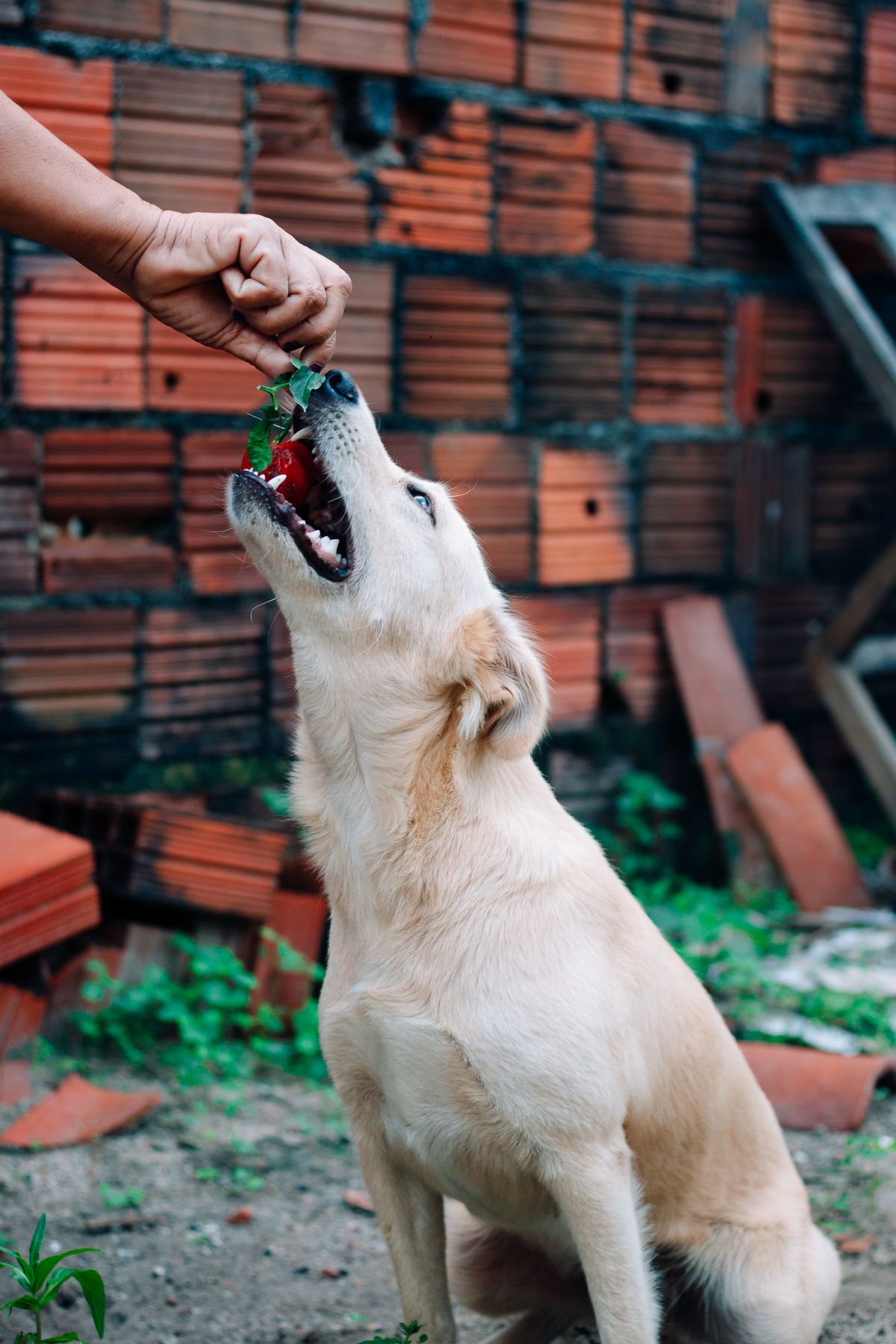
Yes — dogs can eat bananas. The American Kennel Club (AKC) is direct: bananas are a safe, nutritious treat for dogs, high in potassium, vitamin B6, and vitamin C. The catch: bananas are high in natural sugar, so the AKC says serve them in moderation, not daily, and always peeled — peels are not toxic, but they are hard to digest and can cause discomfort or, in some cases, an intestinal blockage. Which other kitchen foods are fine to share, fine only in a specific form, or never safe? Here are 25, sorted safe, risky, and toxic, from ASPCA and AKC guidance.
The short answer: peeled banana, in small slices, is a safe occasional treat — but it is high in sugar, so keep it occasional. The same rule covers the other safe foods below: plain, unseasoned, small amounts. Some foods are never safe: grapes and raisins, chocolate, anything sweetened with xylitol (also labeled birch sugar), macadamia nuts, and onions and garlic can seriously harm a dog, per the ASPCA’s list of people foods to avoid. If your dog eats one, call your veterinarian or ASPCA Animal Poison Control at (888) 426-4435 promptly.
The 25 foods at a glance
| Group | Foods | The rule |
|---|---|---|
| Safe (plain, in moderation) | Bananas, apples, blueberries, strawberries, watermelon, carrots, green beans, cucumber, plain pumpkin, cooked sweet potato | Wash, cut small, remove seeds, cores, rinds, peels |
| Risky in some form | Peanut butter, cheese, eggs, cooked chicken, avocado, cherries, popcorn | Safe only in the right form — xylitol-free, plain, fully cooked, pit- and bone-free |
| Toxic — never feed | Grapes and raisins, chocolate / coffee / caffeine, xylitol, macadamia nuts, onions / garlic / chives, alcohol, cooked bones, raw yeast dough | Never offer; if eaten, call your veterinarian or ASPCA Animal Poison Control at (888) 426-4435 promptly |
Everything in the first two groups is a treat, not a meal: the AKC notes dog-safe produce is fine as a treat or snack in moderation alongside complete dog food. For daily amounts, treats included, see how much you should feed your dog.
Safe: 10 foods dogs can eat in moderation
1. Bananas. Safe per the AKC — peeled, sliced, occasional. A few slices for a small dog, up to half a banana for a large one. Skip banana bread: some recipes include raisins, chocolate, or xylitol.
2. Apples. The AKC lists apples among the fruits dogs can eat — vitamins A and C, plus fiber — with one condition: remove the seeds and core first.
3. Blueberries. Safe, small, and low in calories — a popular training treat. Wash them; halve for very small dogs.
4. Strawberries. Safe in moderation, washed, cut up, tops removed. Like bananas, they carry natural sugar — an occasional treat.
5. Watermelon. The flesh is safe, but remove the rind and seeds first, as they can cause intestinal blockage (AKC).
6. Carrots. Safe raw or cooked, and one of the lowest-calorie treats here. The ASPCA names carrots, celery, broccoli, green beans, cauliflower, and cooked pumpkin as good vegetable snacks.
7. Green beans. Safe in all plain forms — chopped, steamed, raw, or canned, as long as they are plain (AKC), with no salt or seasoning.
8. Cucumber. Safe, washed and sliced, and mostly water — a light, crunchy treat. Start any new food small.
9. Plain pumpkin. Safe — and the form is the point. Plain canned pumpkin puree is the ASPCA-listed snack. Pumpkin pie filling is presweetened and spiced; do not share it.
10. Sweet potato. Safe cooked and plain, peeled and cut up — no butter, sugar, or seasoning, in treat-size amounts.
Risky in some form: 7 foods where the form decides
11. Peanut butter. A favorite — with a label check that is not optional. The AKC’s rule is absolute: never give a dog a peanut butter product that contains xylitol. It is also high in fat (ASPCA), so keep it to a spoonful of the plain, unsalted kind.
12. Cheese. The AKC allows cheese in small to moderate quantities for dogs that tolerate dairy. Keep it small and occasional; skip it if dairy upsets your dog.
13. Eggs. Safe only cooked: the AKC specifies fully cooked, without salt, butter, or seasonings. Raw eggs are out — the ASPCA notes they can contain Salmonella and E. coli.
14. Cooked chicken. Plain, fully cooked, boneless, skinless chicken is fine in small amounts — the ASPCA counts lean cooked meats free of bones and seasoning as okay. Seasoned, sauced, or on-the-bone versions are the risky forms: bones are a hazard (#24), and onion-garlic seasoning imports the toxic list.
15. Avocado. The most debated food here: the ASPCA lists it on its avoid page — leaves, fruit, seeds, and bark contain persin, which can cause vomiting and diarrhea in dogs — while noting it is primarily a problem for birds, rabbits, and livestock. The AKC says the flesh is not toxic but is high in fat, and the pit can choke or block the intestines. Given the disagreement, skip it.
16. Cherries. Risky because of everything except the flesh: apart from the fleshy fruit around the seed, cherry plants contain cyanide and are toxic to dogs (AKC) — and a swallowed pit is also a blockage risk. Most owners skip cherries.
17. Popcorn. Plain, air-popped, unsalted, unbuttered popcorn is on the ASPCA’s shareable-snack list. The buttered, salted movie version is not: the ASPCA warns large amounts of salt can cause excessive thirst and urination, or even sodium ion poisoning. Pick out unpopped kernels — a choking hazard.
Toxic — never feed: 8 foods to keep away entirely
18. Grapes and raisins. Never, in any amount. The ASPCA states grapes and raisins can cause kidney failure in dogs, with no established safe amount. The warning covers currants and foods containing them. Treat any ingestion as urgent.
19. Chocolate, coffee, and caffeine. All contain methylxanthines, which the ASPCA says can cause vomiting and diarrhea, panting, excessive thirst and urination, hyperactivity, abnormal heart rhythm, tremors, seizures, and even death. Darker chocolate carries more — baking chocolate and cocoa powder are worst — but no chocolate is a dog treat.
20. Xylitol (birch sugar). A sweetener in sugar-free gum, candy, baked goods, toothpaste, and some peanut butters — and among the most dangerous items here. The ASPCA describes how it can cause a rapid drop in blood sugar and potential liver failure in dogs. Check labels for both names.
21. Macadamia nuts. Toxic to dogs specifically: the ASPCA records they have caused weakness, depression, vomiting, tremors, and hyperthermia in dogs, and the AKC calls them one of the most poisonous foods for dogs.
22. Onions, garlic, and chives. The whole Allium family is off-limits. The ASPCA notes these can cause gastrointestinal irritation and could lead to red blood cell damage; the AKC adds garlic is significantly more toxic than the rest. Beware hidden sources: their powders season sauces, soups, and gravy.
23. Alcohol. Never, including in foods. Per the ASPCA, alcohol can cause vomiting, diarrhea, decreased coordination, central nervous system depression, difficulty breathing, tremors, abnormal blood acidity, coma, and even death in pets.
24. Cooked bones. Not a poison — a mechanical hazard. The U.S. Food and Drug Administration (FDA) warns bones are unsafe no matter what their size, listing broken teeth, mouth injuries, bones stuck in the esophagus, stomach, or intestines, blockages requiring surgery, and peritonitis when fragments pierce the gut. Cooking makes bones brittle and splinter-prone. Table bones go in the trash.
25. Raw yeast dough. Dangerous twice over: the ASPCA explains yeast dough can rise and cause gas to accumulate in a dog’s digestive system, which can rupture the stomach or intestines — and the yeast produces ethanol, the alcohol in #23. Fully baked plain bread is different (the AKC allows small amounts, no raisins); raw dough is the emergency.
How to share safely: the house rules
- Plain is the default. Every safe answer assumes no salt, sugar, sauce, butter, or seasoning. Once a food is prepared for people, recheck it against the lists above.
- Small amounts, cut small. Start new foods small, and keep all treats together to a small share of the day’s calories. Portioning the main diet is covered in our feeding-amounts guide.
- Prep is part of the answer. Peel bananas, core apples, remove watermelon rind and seeds, take chicken off the bone. Most risk lives in a removable part — or a checkable ingredient, like xylitol.
- Know the number before you need it. If your dog eats a toxic food, call your veterinarian or ASPCA Animal Poison Control at (888) 426-4435 promptly, noting what was eaten, how much, and when. Do not wait for symptoms.
- When in doubt, leave it out. No treat here is necessary — a complete dog food does the nutritional work. Our small-breed dry food guide covers choosing one.
The bottom line
Bananas: yes, peeled and in moderation — a good treat that happens to be high in sugar. Around them: ten plain foods safe in small amounts, seven safe only in the right form, and eight never to offer, with grapes, chocolate, and xylitol at the top. Learn the toxic eight, keep (888) 426-4435 visible, and the occasional safe bite stays a pleasure, not a gamble.
Sources consulted: ASPCA Animal Poison Control, “People Foods to Avoid Feeding Your Pets” (grapes and raisins can cause kidney failure in dogs; chocolate, coffee, and caffeine contain methylxanthines that can cause vomiting, diarrhea, panting, excessive thirst and urination, hyperactivity, abnormal heart rhythm, tremors, seizures, and death; xylitol can cause a rapid drop in blood sugar and potential liver failure; macadamia nuts have caused weakness, depression, vomiting, tremors, and hyperthermia in dogs; onions, garlic, and chives can cause gastrointestinal irritation and red blood cell damage; alcohol can cause vomiting, diarrhea, decreased coordination, central nervous system depression, difficulty breathing, tremors, abnormal blood acidity, coma, and death; avocado leaves, fruit, seeds, and bark contain persin, which can cause vomiting and diarrhea in dogs, and avocado is primarily a problem for birds, rabbits, donkeys, horses, and ruminants; yeast dough can rise and cause gas to accumulate in the digestive system, can rupture the stomach or intestines, and produces ethanol as a by-product; raw meat and raw eggs can contain Salmonella and E. coli; large amounts of salt can produce excessive thirst and urination or sodium ion poisoning; ASPCA Animal Poison Control Center phone (888) 426-4435); ASPCA, “Sharing Is Caring: Foods You Can Safely Share with Your Pet” (carrots, celery, broccoli, green beans, cauliflower, and cooked pumpkin as good vegetable snacks; air-popped popcorn as a shareable snack; check peanut butter labels for xylitol and keep quantities small because it is high in fat; small amounts of lean cooked chicken, turkey, beef, or pork free of bones and seasoning are okay); American Kennel Club (AKC), “Can Dogs Eat Bananas?” (bananas are a safe, nutritious treat high in potassium, vitamin B6, and vitamin C; because of their natural sugars they should be served in moderation rather than as an everyday snack; banana peels are not toxic but are difficult to digest and can cause gastrointestinal discomfort or an intestinal blockage, so always remove the peel); AKC, “Fruits and Vegetables Dogs Can or Can’t Eat” (apples are a source of vitamins A and C and fiber, with seeds and core removed; green beans — chopped, steamed, raw, or canned — are safe as long as they are plain; watermelon flesh is fine once rind and seeds are removed because they can cause intestinal blockage; cherry plants other than the fleshy fruit contain cyanide and are toxic to dogs; dogs have no real need for fruits or vegetables, which are fine as a treat or snack in moderation); AKC, “Human Foods Dogs Can and Can’t Eat” (never give a dog a peanut butter product containing xylitol; cheese in small to moderate quantities; eggs safe as long as fully cooked and prepared without salt, butter, or seasonings; avocado flesh is not toxic to dogs but is high in fat, and the pit is a choking and blockage hazard; small amounts of plain bread are fine with no spices and no raisins; macadamia nuts are one of the most poisonous foods for dogs; garlic is significantly more toxic than the rest of the Allium family); U.S. Food and Drug Administration (FDA), Center for Veterinary Medicine consumer guidance on bones (bones are unsafe no matter what their size; risks include broken teeth, mouth or tongue injuries, bones stuck in the esophagus, stomach, or intestines, blockages requiring surgery, and peritonitis).
Wagopedia publishes general care information only, not veterinary advice. If your dog has eaten something toxic, contact your veterinarian or the ASPCA Animal Poison Control Center at (888) 426-4435 promptly. Your veterinarian’s advice for your individual dog takes priority over any general guide.