Puppy Vaccination Schedule: Which Shots Happen at Which Age
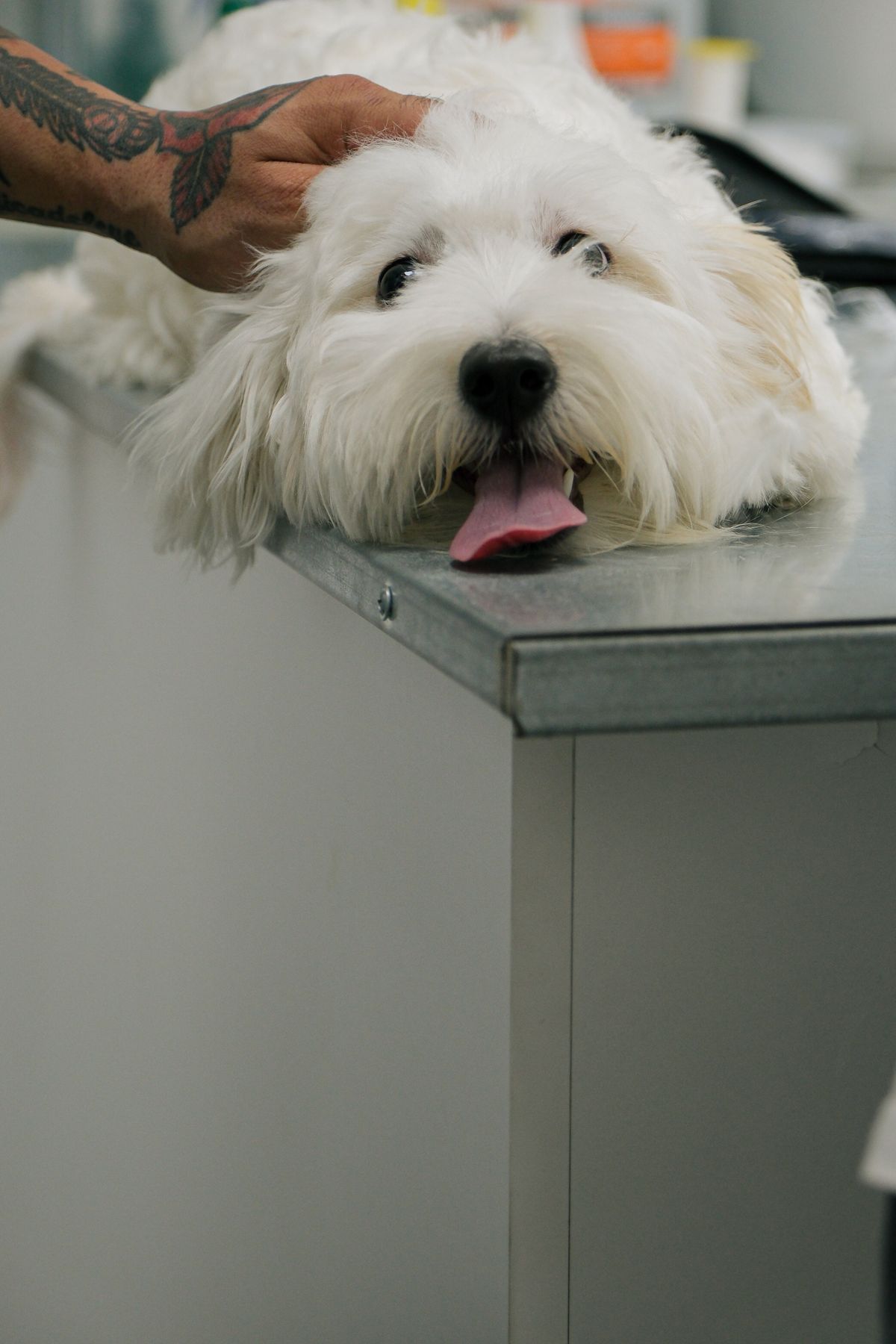
First, the honest limit: this is a general schedule based on the American Animal Hospital Association (AAHA) canine vaccination guidelines and the American Kennel Club's puppy-shot guide. It is not a prescription for your puppy. Your veterinarian sets the exact schedule for your dog based on its age, health, vaccine history, and where you live — always follow their guidance.
A puppy's first four months come with a repeating appointment: the vet, every few weeks, for another round of shots. The repetition is the point. Puppies are born with some protection passed down from their mother, but that protection fades between roughly 6 and 16 weeks of age — and while it is fading, it can also block a vaccine from working. That is why puppy shots come as a series of doses spaced a few weeks apart instead of a single visit: each booster covers the window as the maternal antibodies wear off, and the final dose, given at or after 16 weeks, is the one most likely to land once that interference is gone. The American Animal Hospital Association's 2022 canine vaccination guidelines place that final puppy dose between 16 and 20 weeks for exactly this reason.
The short answer: core shots begin at 6–8 weeks and repeat every 2–4 weeks, with the final puppy dose at 16–20 weeks — because the antibodies a puppy inherits from its mother fade unevenly across that window and can block a vaccine given while they are still high. The series is not padding. Parvovirus, one of the diseases it prevents, has no drug that eliminates it; with supportive treatment, 68%–92% of affected dogs survive (Merck Veterinary Manual), and untreated puppies commonly die. Or as Dr. Jerry Klein, the AKC's chief veterinary officer, puts it: “Proper vaccination and parasite eradication, as well as good nutrition, should help to give your puppy the best chance to avoid these most common and severe illnesses.”
Core vs. non-core: the two categories
Veterinary guidelines split vaccines into two groups. Core vaccines are recommended for every dog, regardless of lifestyle, because the diseases are widespread, severe, or a risk to people as well as dogs. Non-core (lifestyle) vaccines are recommended only when a puppy's specific risk profile, geography, or activities justify them. Your vet decides the non-core list with you; the core list is not negotiable.
The schedule, by age
| Puppy's age | Core vaccines | Lifestyle vaccines to discuss |
|---|---|---|
| 6–8 weeks | DHPP, dose 1 (distemper, adenovirus, parainfluenza, parvovirus in one combination shot) | Bordetella (kennel cough), if the puppy will be in classes, daycare, or boarding soon |
| 10–12 weeks | DHPP, dose 2; leptospirosis, dose 1 (at 12 weeks or older) | Canine influenza, dose 1; Lyme, dose 1 (in tick-endemic areas) |
| 14–16 weeks | DHPP, final puppy dose; leptospirosis, dose 2; rabies, dose 1 (timing follows state law) | Lyme, dose 2; canine influenza, dose 2 |
| About 1 year | DHPP booster; rabies booster; leptospirosis booster | Boosters for any lifestyle vaccines your puppy received |
This table follows the AAHA 2022 canine vaccination guidelines as summarized by the AKC. Some veterinarians give the final DHPP dose as late as 16–20 weeks, and the rabies dose as early as 12 weeks — the exact ages shift with the products used and local rules. The pattern is what matters: three DHPP doses across the 6–16 week window, then boosters at about a year.
What each core vaccine protects against
- Canine distemper virus. A widespread, highly contagious virus that attacks the respiratory, gastrointestinal, and nervous systems. It is frequently fatal in unvaccinated puppies, which is why it anchors the combination shot.
- Adenovirus (canine infectious hepatitis). Protects against hepatitis caused by canine adenovirus type 1; the vaccine uses adenovirus type 2, which also guards against a respiratory form of the virus. It is the "A" in the DHPP combination.
- Parvovirus. A severe, often fatal gastrointestinal disease that is especially dangerous to puppies and spreads easily through contaminated environments — which is why unvaccinated puppies should not be set down in public places. The "P" in DHPP.
- Parainfluenza. A respiratory virus and one of the contributors to kennel cough. It rides along in the DHPP combination shot.
- Rabies. Almost always fatal once symptoms appear, and transmissible to people. Rabies is the one vaccine that is required by law — every US state requires it, though the exact age and booster timing are set by state and local rules. Licensed rabies vaccines are labeled for puppies 3 months and older, and the first dose is usually given at 12–16 weeks, with a booster at one year and then every one to three years depending on local regulations.
- Leptospirosis. A bacterial infection spread through the urine of infected animals and contaminated water or soil. It can damage the kidneys and liver, and people can catch it too. The American College of Veterinary Internal Medicine recommends leptospirosis vaccination for all dogs, regardless of breed or lifestyle, starting at 12 weeks of age, in two doses given 2 to 4 weeks apart. AAHA's guidelines now list it as a core vaccine for dogs 12 weeks and older.
The lifestyle vaccines, in brief
These are the "discuss it with your vet" column — the right answer depends on where you live and what your puppy will actually do:
- Bordetella (kennel cough). Worth discussing if your puppy will attend classes, daycare, boarding, or dog parks. Some facilities require it before enrollment.
- Lyme disease. For puppies in tick-endemic areas or that will spend time in woods and tall grass.
- Canine influenza. For puppies that will be around many other dogs — boarding, daycare, shows, or dog parks in areas where canine flu circulates.
- Coronavirus (canine enteric coronavirus). Listed by the AKC as an optional vaccine at the one-year visit; it is a different virus from COVID-19 and is not a core vaccine.
What to expect at the visits
Most puppies need vet visits every 2 to 4 weeks from about 6 weeks old until at least 16 weeks old. The first visit is usually the longest: a full physical exam, the first DHPP dose, and often a fecal exam and deworming, since intestinal parasites are common in puppies. Bring any records the breeder or shelter gave you — previous vaccines, deworming dates, and the puppy's exact age — so the vet can place your puppy correctly in the series instead of starting over.
After a vaccine, mild soreness at the injection site, a little tiredness, or a reduced appetite for a day are common and usually pass on their own. Anything stronger — facial swelling, vomiting, trouble breathing, or a puppy that is limp or unresponsive — is an emergency: call your vet or an emergency clinic immediately. That reaction is rare, but it is the one worth knowing in advance.
Socialization before the series is finished
The vaccination window overlaps exactly with the socialization window — the first 16 weeks are when puppies most need to meet people, dogs, and new situations. Vets and the AVMA note that socialization should not wait entirely for the last shot: the standard advice is to socialize safely, in controlled settings, rather than not at all. That means puppy classes that require proof of vaccination from every puppy enrolled, visits with known healthy and vaccinated dogs, and carrying the puppy in public places instead of setting it down on the ground where unvaccinated dogs have been. Ask your vet what is safe in your area — the risk level depends on local disease rates, and your vet knows them.
What it costs
The AKC puts the average cost of the core vaccine series at roughly $75–$100, with a rabies vaccination usually adding around $15–$20 (some clinics include rabies in the series price). Prices vary by clinic and region, and the first visit often costs more because it includes the exam, fecal test, and deworming. Low-cost vaccination clinics run by shelters and local humane organizations are a legitimate option if the vet's price is a stretch — the schedule matters more than the setting.
Questions owners ask most
"My puppy is older than 16 weeks and hasn't had any shots — is it too late?" No. A puppy that starts late simply follows a different protocol: dogs over 16 weeks typically need two DHPP doses 3 to 4 weeks apart instead of three, plus rabies and leptospirosis on the standard timing. Your vet will build the catch-up schedule at the first visit.
"Can my puppy go outside before the series is done?" Your own yard is generally fine. Public ground — sidewalks, dog parks, pet-store floors — is where parvovirus lingers, so carry the puppy or keep it to clean, low-traffic areas until the series is complete. The AKC's rule of thumb: the puppy is not considered fully protected until about two weeks after the final DHPP dose.
"Do I really need leptospirosis if my dog stays in the yard?" The ACVIM's recommendation is for all dogs, because the bacteria travels in wildlife urine and standing water — both of which reach ordinary yards. It is still your vet's call, but "indoor dog" is not the reason to skip it.
"What if I miss a dose by a week?" Call the vet and rebook as soon as you can. A short delay usually just shifts the schedule; it does not normally mean restarting the whole series, but only your vet can say that for your puppy.
The short version: three DHPP doses between 6 and 16 weeks, rabies at 12–16 weeks, leptospirosis in two doses from 12 weeks, boosters at about a year — and a vet visit every few weeks in between, because the series is what makes the protection stick. Keep the records from each visit in one place; they are what boarding facilities, trainers, and your pet insurance provider will ask for later. For the rest of the first week, our new puppy checklist and crate-training schedule pick up where the vet visits leave off.
Sources consulted: American Animal Hospital Association, 2022 Canine Vaccination Guidelines — core vaccines (distemper, adenovirus, parvovirus, rabies), leptospirosis as core for dogs 12 weeks and older, the 6–16 week series with 2–4 week intervals, final puppy dose at 16–20 weeks, and the maternal-antibody rationale; American Kennel Club, "Puppy Vaccination Schedule: What Shots Do Puppies Need?" — the age-by-age schedule table, average core-series cost ($75–$100), rabies cost ($15–$20), and the "not fully protected until about two weeks after the final dose" guidance; American College of Veterinary Internal Medicine, leptospirosis consensus — vaccination recommended for all dogs from 12 weeks, two doses 2–4 weeks apart; American Veterinary Medical Association, puppy care and socialization resources. Merck Veterinary Manual, "Disorders of the Stomach and Intestines in Dogs" — canine parvovirus: with appropriate treatment, 68%–92% of affected dogs survive, and there is no specific treatment to eliminate the virus; American Kennel Club, "Common Puppy Illnesses" — Dr. Jerry Klein, AKC chief veterinary officer, quoted on vaccination and prevention.
This article is general information only and is not a vaccination recommendation for your puppy. Your veterinarian sets the right schedule for your dog based on age, health, and where you live.