New Puppy Checklist: Everything You Need for the First Week Home
A first-time owner's checklist for a puppy's first week home: supplies to buy before pickup day, home setup, the first veterinary visit, feeding…
Clear, practical guides for every stage of your dog's life.
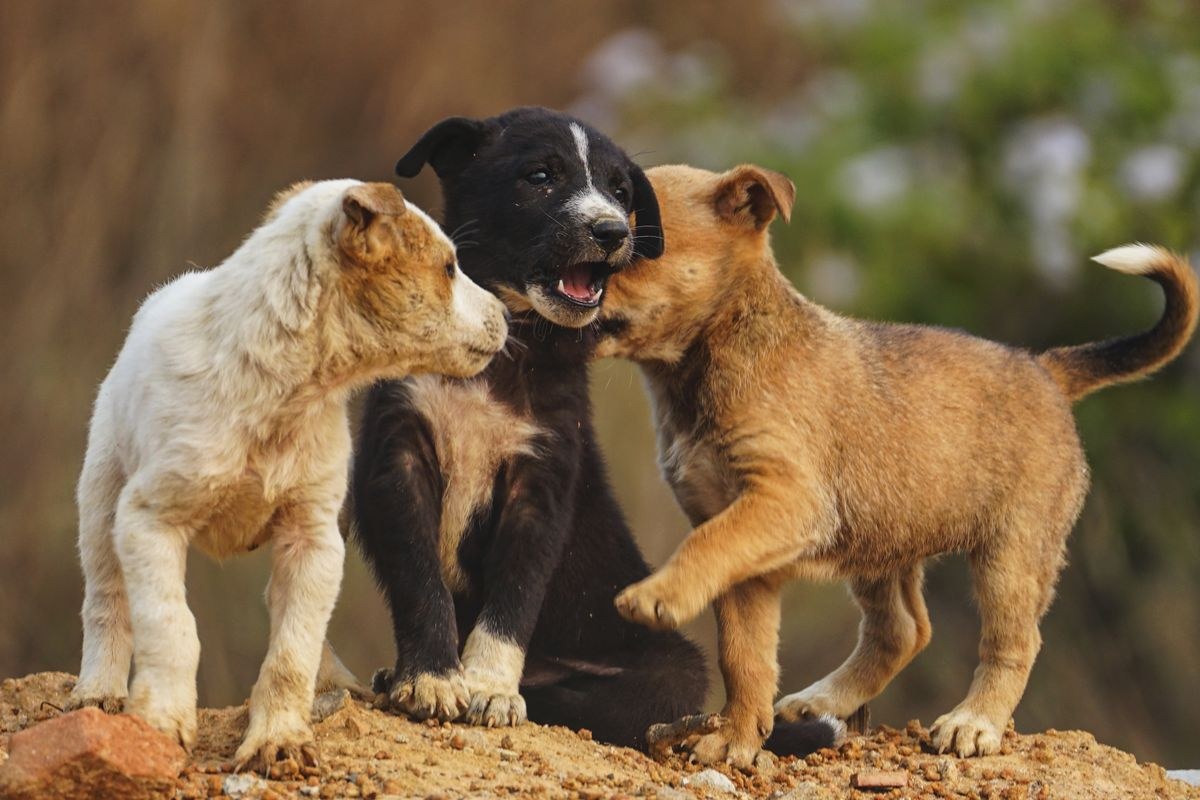
Socialization has a deadline most new owners only hear about after part of it has passed. The American Veterinary Medical Association (AVMA) describes socialization as preparing a dog to enjoy interactions and be comfortable with other animals, people, places and activities, and puts the puppy’s “sensitive period” at between 3 and 14 weeks of age. AAHA frames the window slightly differently — a socialization period of about 2 to 12 weeks — but the message is the same: the weeks when a puppy most easily accepts the world as safe are early, brief, and largely gone before the vaccination series ends. This guide covers what to introduce, how to do it safely before vaccines are complete, and how to catch up if your puppy is already past 14 weeks.
The short answer: between 3 and 14 weeks, give your puppy many short, positive, puppy-paced introductions — varied people, calm and healthy dogs, gentle handling of paws, ears and mouth, everyday sounds, different surfaces, and brief trips to new places — always paired with praise, play or treats, and always with the freedom to withdraw. Do not wait until vaccinations are finished to start; ask your veterinarian which settings are low-risk now. If the window has partly closed, keep going anyway: older dogs still learn, just more slowly and in smaller steps.
The AVMA’s literature review explains what changes across the window. Puppies are most responsive to learning from exposure to unfamiliar dogs between about 3 and 14 weeks, and by 8 to 9 weeks most puppies are developed enough to explore unfamiliar social and physical environments. The same review warns that puppies kept from exploring until after 14 weeks can lose flexibility and may stay fearful in unfamiliar situations. The AKC makes the same point: a puppy’s first three months permanently shape their future personality and how they react to their environment as an adult dog.
The ASPCA treats socializing as a safety issue, not a nicety: undersocialized dogs can become frightened by everyday things and are more likely to react badly. Its main rule is simple: let your dog progress at their own pace and never force them to be around someone or something when they are clearly fearful or uncomfortable. Exposure that frightens is not socialization — it is the opposite lesson, taught at the age when lessons stick hardest.
1. People, in variety. The AVMA advises adapting the plan to the life the puppy will actually live. In practice: men and women, older adults, and — carefully supervised — children, plus the details puppies commonly miss: hats, sunglasses, beards, uniforms, umbrellas, and people using a cane or a wheelchair. Treat each new kind of person as an item to collect calmly, not a quota to rush.
2. Other dogs and animals. Choose quality over chaos: healthy, friendly, vaccinated adult dogs who model calm manners, and puppies of a similar age in controlled settings. The AVMA review notes that early social contact is linked to a lower likelihood of fearful or aggressive behavior later. One steady adult dog teaches more, and risks less, than a crowd of unknown dogs.
3. Handling. AAHA’s guidelines cover handling, nail trimming and bite inhibition, and safe exposure to novel sounds, textures and objects. At home: brief, treat-paired practice touching paws, ears and mouth, gentle brushing, a collar and harness going on and off, and being lifted and held. End while the puppy is still relaxed — you are building the dog who is easy at the vet and the groomer for the next decade. Our week-by-week puppy biting plan covers the bite-inhibition half of this work in detail.
4. Sounds. Household sounds first — the vacuum, doorbell, dropped pans, a hair dryer — at a distance or low volume and paired with something good, then outdoor sounds such as traffic as your veterinarian clears outings.
5. Surfaces and objects. Walk the puppy, at their pace, across carpet, wood, tile, grass, gravel and — when outings are appropriate — pavement and metal grates, plus novel objects: strollers, bicycles at a distance, opening umbrellas, and the crate and car as friendly places.
6. Places and brief separations. Short car rides that end somewhere pleasant, a friend’s house, and a calm visit to the veterinarian’s office for treats rather than a procedure all count. So does alone time: short spells in a crate or pen while you are out of sight teach the puppy that being alone is ordinary.
This is the tension every owner hits: the sensitive period closes around 12 to 14 weeks, while the vaccination series runs longer — see our puppy vaccination schedule for the AAHA-based timing. The veterinary guidance is not “wait it out.” AAHA’s behavior guidance, as widely cited from its canine and feline behavior management guidelines, is that there is no medical reason to delay puppy classes or social exposure until the vaccination series is completed, as long as exposure to sick animals is prohibited and basic hygiene is practiced — because the risks of missing social exposure far exceed the disease risk in well-run settings. The ASPCA lands in the same place from the training side, recommending that owners start a puppy in puppy kindergarten classes as early as eight weeks, right after their first set of vaccinations.
In practice, split the world into controlled and uncontrolled settings, and confirm the split with your own veterinarian. Lower-risk options include your home and garden, visitors coming to you, play with known healthy and vaccinated dogs, carrying your puppy in public so they see and hear the world without ground contact, and a well-run puppy class that requires proof of vaccination, excludes sick puppies and cleans between sessions. Dog parks, heavily trafficked dog areas and the floors of busy pet stores are the ones to postpone until your veterinarian says the series is far enough along.
| Weeks | Where it happens | Focus |
|---|---|---|
| 3–5 | With the breeder or rescue | Gentle handling by several people, household sounds, varied surfaces. Ask any breeder or rescue about their socialization plan before you commit — the AVMA advises avoiding raisers who cannot or will not share one. |
| 5–8 | Still with the litter | Continued handling, first car rides, new objects and sounds, play with littermates — the lessons in bite inhibition and dog body language start here. |
| 8–10 | Home with you; fear period | Household people, sounds and surfaces; gentle handling practice; visitors at the puppy’s pace. Keep everything easy and positive while the 8-to-10-week fear period runs. |
| 10–12 | Home plus controlled outings | A well-run puppy class if your veterinarian approves, calm vaccinated adult dogs, carried outings, and a wider variety of people — hats, uniforms, mobility aids. |
| 12–14 | Widening, still controlled | New places and surfaces as your veterinarian clears them, brief trips, and repeats of anything the puppy found mildly worrying — at an easier distance, ending in success. |
A puppy who arrives at 15 weeks, six months or two years without this groundwork is not a lost cause — socialization lasts a dog’s whole life, as the AKC notes — but the method changes. Learning is slower and works by gradual steps: set up each new thing at a distance where the dog stays relaxed, reward calm behavior, and close the distance over multiple short sessions. Prioritize daily-life encounters — visitors, other dogs on walks, traffic, handling at the vet — and keep the ASPCA’s puppy rule: progress at the dog’s pace, never force contact with something they clearly fear.
Know when to bring in help. If a dog’s response is intense fear, lunging or aggression rather than ordinary caution, the ASPCA advises not waiting for a serious incident: seek a Certified Applied Animal Behaviorist (CAAB), a veterinary behaviorist, or a qualified Certified Professional Dog Trainer (CPDT). If behavior changes suddenly, or fear arrives alongside appetite or energy changes, start with your veterinarian.
Use the window while it is open: from 3 to 14 weeks, many short, positive, puppy-chosen introductions across people, dogs, handling, sounds, surfaces and places — in controlled settings your veterinarian approves, not postponed until the last vaccine. After 14 weeks, keep building the same skills more gradually. The work is measured in minutes a day, and the dog it produces — comfortable, friendly and hard to startle — is the return for life. Start with our first-week puppy checklist.
Sources consulted: American Veterinary Medical Association (AVMA), “Socialization of Puppies and Kittens” literature review, Animal Welfare Division, September 2024 (socialization defined as preparing a dog to enjoy interactions and be comfortable with other animals, people, places and activities; the sensitive period between 3 and 14 weeks; puppies most responsive to learning from exposure to unfamiliar dogs at 3 to 14 weeks; most puppies ready to explore unfamiliar environments by 8–9 weeks; puppies kept from exploring until after 14 weeks may remain fearful in unfamiliar situations; exposure should begin with the raiser by or before three weeks and continue with the owner; adapt the plan to the dog’s future life; praise, play and treats to reward engagement; allow withdrawal and move at the puppy’s pace; ask raisers for their socialization plan; well-managed puppy classes as a way to socialize within the sensitive period); American Animal Hospital Association (AAHA), Canine Life Stage Guidelines (socialization period of about 2–12 weeks; gentle handling in the first 2–3 weeks linked to coping with stress later; demonstrate handling, nail trimming, bite inhibition and safe exposure to novel sounds, textures and objects; encourage group classes before 4 months of age; puppies experience a fear period around 8–10 weeks, often coinciding with joining a new family and the first veterinary visit); AAHA Canine and Feline Behavior Management Guidelines, as cited in veterinary guidance (no medical reason to delay puppy classes or social exposure until the vaccination series is completed as long as exposure to sick animals is prohibited and basic hygiene is practiced; the risks of missing social exposure far exceed the disease risk); American Kennel Club (AKC), “Puppy Socialization: Why, When, and How to Do It Right” (the first three months permanently shape future personality and reactions; responsible breeders begin socialization before puppies go home; introduce new sights, sounds and smells — surfaces, people of different ages and appearances, people using a wheelchair or cane — as a scavenger hunt; socialization continues across a dog’s life); ASPCA, “Dog Bite Prevention” (well-socialized dogs make enjoyable, trustworthy companions; undersocialized dogs can become frightened by everyday things and are more likely to aggress or bite; puppies should meet, greet and enjoy a variety of people, animals, places and things; let the dog progress at their own pace and never force them when clearly fearful or uncomfortable; start puppy kindergarten as early as eight weeks, right after the first set of vaccinations; at the first sign of aggressive behavior, seek a CAAB, veterinary behaviorist or qualified CPDT). Figures and age ranges checked November 25, 2026.
Wagopedia publishes general care information only, not veterinary advice. Your veterinarian’s advice for your individual puppy — including which outings are safe at your puppy’s stage of vaccination — takes priority over any general plan.
A first-time owner's checklist for a puppy's first week home: supplies to buy before pickup day, home setup, the first veterinary visit, feeding…
Three DHPP doses between 6 and 16 weeks, rabies at 12–16 weeks, leptospirosis in two doses — the AAHA-based schedule, what each shot protects against, and which vaccines depend on lifestyle.
A week-by-week plan for puppies 8 to 20 weeks: bite inhibition first, then no teeth on skin — yelp and withdraw, redirect to chew toys, time-outs, sleep and exercise, from AKC and ASPCA guidance.